Islamic Window and Mosque Silhouette Graphics for Branding and Illustrations
First Impressions: A Strong Cultural and Architectural Presence
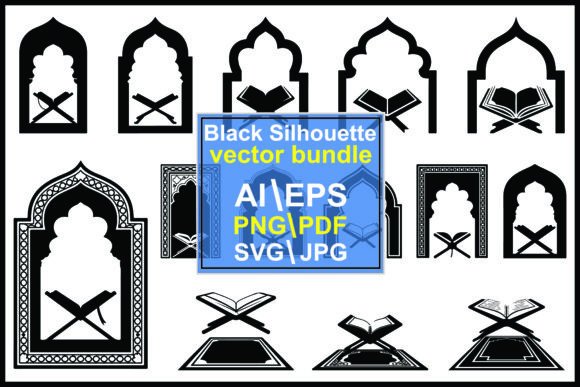
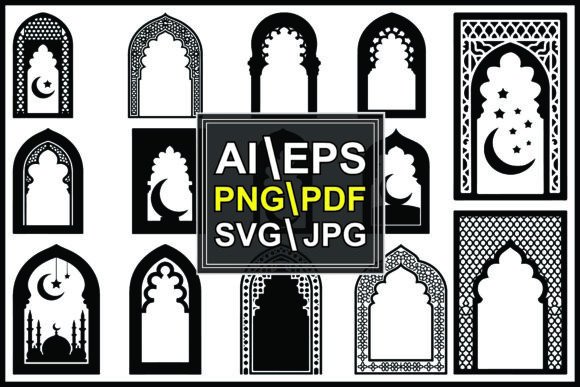
The Islamic Window and Mosque Silhouette immediately conveys a sense of elegance, tradition, and intricate design. As a graphic designer evaluating this collection for a real-world client project, my first reaction was that it would work best in designs needing a touch of cultural depth and visual richness. The patterns are geometric, symmetrical, and rooted in Islamic architectural motifs—featuring crescents, stars, and detailed silhouettes that evoke a sense of reverence and sophistication.
Setting the Visual Tone: Elegant, Decorative, and Symbolic
This design asset feels like a strong choice for projects that lean into cultural storytelling, religious themes, or heritage-inspired branding. The black and white contrast gives it a timeless quality, while the intricate details suggest craftsmanship and intentionality. It’s not a minimalist design—it’s decorative by nature, which means it works best when the visual direction supports ornate, layered aesthetics rather than clean, modern minimalism.
Real-World Use Case: Designing for a Ramadan-Themed Product Line
I recently worked with a small business launching a line of Ramadan-themed candles and home décor. The brand wanted to incorporate subtle religious and cultural motifs without being overtly literal. The Islamic Window and Mosque Silhouette illustrations provided the perfect balance—visually rich but not overpowering. We used them as background patterns on packaging inserts and as decorative accents on Instagram story templates. They helped elevate the design from generic seasonal branding to something more thoughtful and culturally grounded.
Performance Across Design Formats
- Logo Design: Not ideal as a primary logo element, but can work as a supporting icon or watermark in brand kits.
- Brand Identity: Strong for supporting brand elements, especially when the brand leans into heritage or cultural values.
- Packaging Design: Excellent for decorative accents, gift tags, or patterned borders that add visual interest without distracting from product information.
- Social Media Graphics: Works well in themed campaigns, especially for religious holidays, cultural events, or artisanal brands.
- Printable Designs: Ideal for creating downloadable wall art, greeting cards, or themed planners for Etsy shops or digital sellers.
- Cricut Projects: Great for laser-cut designs on wood or vinyl, especially for Ramadan or Eid-themed crafts.
- Website Graphics: Use sparingly in hero banners or section dividers to maintain visual hierarchy and readability.
Where It Shines: Hero Graphics, Themed Collections, and Packaging Details
This graphic design asset performs best when given space to breathe. On large format prints like posters or packaging mockups, its intricate details come through clearly. It also works beautifully in themed collections—such as holiday collections for Etsy stores or cultural event promotions. As a decorative accent in editorial layouts or digital ads, it adds a layer of sophistication without overwhelming the message.
Where to Use with Caution: Small Sizes, Crowded Layouts, and Minimalist Branding
Because of its intricate nature, the Islamic Window and Mosque Silhouette can lose clarity at small sizes. It’s not ideal for mobile app icons, tiny stickers, or any design where fine detail might blur. In crowded layouts or minimalist branding systems, it can feel visually heavy or out of place. It should also be used carefully in corporate or professional materials where a clean, modern aesthetic is expected.
Impact on Readability and Brand Consistency
When used as a background pattern or decorative border, this design asset enhances the visual mood without interfering with text readability. However, if layered behind text or competing with other graphics, it can reduce visual hierarchy. For brand consistency, it’s best used across a cohesive set of marketing materials rather than inconsistently across varied brand assets. It strengthens emotional appeal and cultural recognition, especially for audiences familiar with Islamic architecture and symbolism.
Designer Notes: Testing and Technical Considerations
- Test in black and white: Confirm how the contrast holds up in grayscale or single-color print jobs.
- Check contrast on light and dark backgrounds: Some elements may fade on dark themes if not adjusted.
- Preview at small and large sizes: Ensure legibility and clarity across all intended applications.
- Place on real mockups: See how it interacts with textures, lighting, and material finishes.
- Test print quality: Especially for packaging or merchandise—inks can bleed or lose detail.
- Review file formats: Confirm availability of SVG, PNG, and EPS for both print and digital use.
- Inspect PNG transparency: Useful for overlays or digital scrapbooking applications.
- Compare with fonts: Works well with serif or script fonts but can feel mismatched with ultra-modern sans-serif typefaces.
- Confirm commercial licensing: Essential for client work, especially for print-on-demand or digital product sellers.
Why This Collection Works for Creative Marketplaces and Digital Sellers
For Etsy product creators, Canva template designers, or Cricut project sellers, this design bundle offers a unique cultural angle that’s both visually rich and versatile. It supports a wide range of printable designs and digital product ideas—from themed wall art to holiday cards to religious décor. As long as the target audience aligns with the visual tone, this asset can be a valuable addition to a creative toolkit.
Final Verdict: A Thoughtful, Culturally Rich Design Asset
The Islamic Window and Mosque Silhouette isn't a one-size-fits-all design element, but for the right project, it delivers a powerful visual message. Whether you're crafting a seasonal campaign, building a heritage-inspired brand identity, or designing for a religious or cultural audience, this illustration set can elevate your work from generic to meaningful. As with any creative design asset, the key is to use it intentionally, test it thoroughly, and ensure it aligns with both the brand message and the technical requirements of the final output.