Christmas Holiday Greeting Labels: A Designer’s Real-World Embroidery Review
First Impressions: Cheerful, Clean, and Ready for Holiday Projects
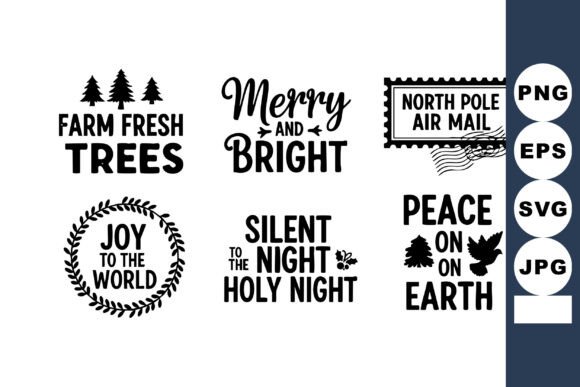
The Christmas Holiday Greeting Labels immediately struck me as a versatile, no-fuss design set perfect for the season. The black silhouette style gives a bold, graphic feel without being overly detailed, which is ideal for embroidery where clarity and stitchability matter. The layout is well-balanced, with a mix of traditional icons like trees and wreaths alongside more modern touches like the air mail stamp and peace symbol. It feels festive but not cluttered, which makes it adaptable for a variety of holiday-themed items.
As someone who frequently works on custom apparel and personalized gifts, I appreciate how these labels can be used across different product types without feeling too literal or seasonal. The silhouette style adds a contemporary edge that could appeal to both younger and more minimalist audiences, while still maintaining that classic holiday cheer.
Real-World Use: From Sweatshirts to Tote Bags and Baby Items
I recently tested the Christmas Holiday Greeting Labels on a custom embroidered tote bag and a set of personalized sweatshirts for a local boutique. The designs stitched cleanly with minimal thread breaks and no skipped stitches, even on a mid-weight cotton canvas. The satin and fill stitches held up well, especially around the edges of the wreath and the corners of the air mail stamp.
For the sweatshirts, I resized the design slightly to fit the chest area and found that the black silhouette translated beautifully on both light and dark fabrics. When using a white stabilizer under the hoop for dark fabric, the contrast was sharp and professional. On baby onesies, the smaller version of the tree and peace symbols looked sweet and not overly busy, which is important for delicate garments.
Commercial Viability: Etsy, Craft Fairs, and Small Shop Merchandise
If you're an Etsy seller or run a small craft business, these labels are a solid addition to your design assets. Their versatility makes them ideal for a wide range of products: embroidered patches, kitchen towels, pillow covers, and even holiday cards with a stitched embellishment. I can easily see them used in boutique branding for limited-edition holiday collections or as part of a curated gift set.
What stands out is how the design maintains a professional finish without requiring advanced embroidery techniques. This makes it accessible for newer crafters while still being useful for experienced sellers looking to expand their seasonal offerings quickly. The black silhouette style also allows for easy customization with different thread colors and fabric choices, giving each finished product a unique touch.
Where to Use with Care: Fabric, Size, and Surface Considerations
While the Christmas Holiday Greeting Labels performed well overall, there are a few practical considerations to keep in mind:
- Small hoop sizes: The more detailed labels (like the air mail stamp with text) may need resizing or simplification for very small hoop embroidery machines.
- Textured or stretchy fabrics: These can distort fine lines and small lettering, so always test on scrap fabric first.
- Dark fabric backgrounds: While the black silhouette looks sharp, ensure you're using the right stabilizer to prevent ghosting or puckering.
- Curved surfaces like caps: The flat layout of the design may not drape well without adjustments to placement or hoop orientation.
- Dense stitch areas: Check for thread buildup in corners and around small icons, especially when stitching on thinner materials.
Design Impact: Professionalism, Giftability, and Brand Consistency
One of the biggest pluses of using the Christmas Holiday Greeting Labels is how it elevates the perceived value of a finished product. Whether it's a boutique tote or a personalized baby blanket, the clean, consistent design language communicates quality and attention to detail.
From a customer perspective, the cheerful yet understated aesthetic makes these labels highly giftable. They’re not overly flashy, which is a big plus for buyers looking for tasteful, handmade holiday gifts. For sellers, that translates into better buyer engagement and repeat customers who appreciate a cohesive, professional look across your product line.
Designer Notes: Practical Tips Before You Stitch
Before diving into a project with the Christmas Holiday Greeting Labels, here are a few steps I recommend taking:
- Test on scrap fabric: Especially if you're using textured or stretchy materials.
- Check thread color contrast: The black silhouette works well in monochrome, but consider how it looks with color fills or outlines.
- Review stitch density: Make sure the design doesn’t have overly dense areas that could pucker the fabric.
- Confirm hoop size: Resize carefully to fit your hoop without losing detail.
- Inspect small details: Letters and fine lines should stitch clearly, especially on smaller versions.
- Test in black and white mockups: This helps visualize how the design will look before committing to a final product.
- Compare light and dark backgrounds: The silhouette style is adaptable, but results can vary.
- Use proper stabilizer: Especially for dark fabrics or stretchy materials.
- Check licensing: If you're selling finished items or digital embroidery files, confirm the usage rights included with the design set.
Final Thoughts: A Solid Choice for Holiday Embroidery Projects
The Christmas Holiday Greeting Labels are a well-designed, flexible option for anyone creating seasonal embroidery projects—whether for personal use or commercial sale. They stitched cleanly, looked professional on a variety of fabrics, and added a festive yet modern touch to every product I tested them on.
For Etsy sellers and small shop owners, these labels are a great way to add a cohesive holiday theme to your offerings without reinventing the wheel. Just remember to test them thoroughly before production and keep fabric and hoop limitations in mind. With a bit of planning, they can become a reliable part of your seasonal design toolkit.